
Homeowners Insurance
Purpose of Homeowners Coverage
Your home is likely one of your most valuable assets.
Homeowners insurance helps protect you financially if your home or belongings are damaged by a covered event. It can also provide liability protection if someone is injured on your property or you are responsible for injuring someone else or damaging their property.
Most mortgage lenders require homeowners insurance—but the right coverage does much more than satisfy a loan requirement. It helps protect your home, your finances, and the life you have built.
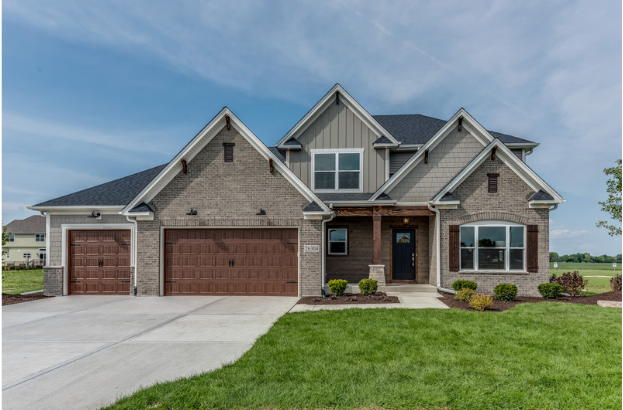
Protecting You




Keep a Home Inventory
The free NAIC Home Inventory App (in your app store) can capture images, descriptions, bar codes and serial numbers of your prized possessions. The app organizes information room by room and even creates a back-up file for email sharing.
**At a minimum, walk through your home and take photos of every room and your belongings.
Save the photos securely in the cloud so you can easily access them if you ever need to document your possessions for an insurance claim.
App Store: NAIC Home Inventory
Recommended Benefits
Water Back Up of Sewers or Drains
Water damage is one of the most common and costly types of homeowners claims—but coverage often depends on where the water came from and how the damage occurred.
A homeowners policy may cover sudden and accidental water damage, such as damage caused by a burst pipe, an appliance leak, or a washing machine overflow. However, water or sewage that backs up through a sewer or drain—or water that overflows from a sump pump—may not be covered unless Water and Sewer Backup Coverage is added to your policy.
Water and Sewer Back Up helps pay for covered cleanup, repairs, and damaged belongings following a backup. It does not cover flooding from rising surface water, which generally requires a separate flood insurance policy.
Utility Line Coverage
Utility companies are generally responsible for the main utility lines, but homeowners may be responsible for the service lines that connect those mains to their homes.
Utility Line Coverage helps pay to repair or replace damaged underground service lines—such as water, sewer, electrical, or gas lines—that run from the street to your home and are your responsibility.
Because digging up and repairing these lines can cost thousands of dollars and may not be covered by a standard homeowners policy, this coverage can provide valuable protection for a relatively modest cost.
What Happens if I’m Sued?



What Happens if my Liability Limits are not enough?
What’s Not Covered?
Common Property Insurance Exclusions
Property insurance policies typically do not cover every type of damage or loss. Common exclusions may include, but are not limited to:
- Earthquakes — Separate earthquake coverage may be available for purchase.
- Flooding — Flood insurance generally requires a separate policy.
- Collapse
- Mold, fungus, or wet rot
- Normal wear and tear
- Mechanical breakdown
- Smog
- Rust, corrosion, or dry rot
- Smoke from agricultural smudging or industrial operations
- Pollution, including the discharge, dispersal, seepage, migration, release, or escape of pollutants
- Settling, shrinking, bulging, or expansion of the property
- Cracking caused by settling or movement, including damage to:
- Foundations and footings
- Walls, floors, roofs, or ceilings
- Bulkheads
- Pavements and patios
- Damage caused by birds, rodents, or insects, including nesting or infestation
- Animal waste, secretions, or other damage caused by animals owned or kept by an insured
Coverage and exclusions vary by insurance carrier and policy. Review your policy carefully and speak with a licensed insurance professional to understand what is and is not covered.
Should you buy Flood or Earthquake Coverage?
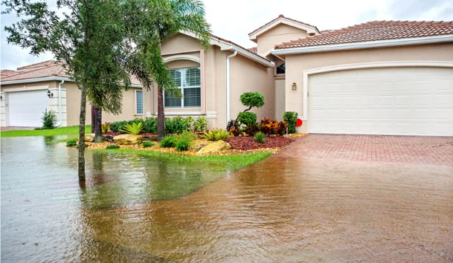
Flood – It is important to be aware that the typical homeowners or renters policy does not cover damages resulting from a flood. Flood damage can happen to you, no matter where your home, apartment, or business is located. You can buy flood insurance even if your property is not located in a Special Flood Hazard Area (SFHA). Mortgage lenders, pursuant to federal law, may require homeowners to purchase flood insurance if the property is located in a high-risk flood zone.
Earthquake – Damage caused by sinkholes or earth movement are typically not covered by homeowners policies unless requested and specifically purchased at an additional cost.
Considerations you should mention to your Advisor…
Roof over 20 years old
Security System
Sprinkler System
Wood furnace or wood stove
Swimming pool
Trampoline
Playscape that could cause injuries
Certain breeds of dogs
Do you operate a business from your home
Do you provide childcare/babysitting in your home
Visit the following pages for more information on plan options



Motorcycle | ATV
Coming Soon

Boat | Watercraft
Coming Soon